Thursday, 11 July 2024

Πώς να ενισχύσετε τη θετική εικόνα σώματος στους εφήβους αυτό το καλοκαίρι

ΑΓΓΕΛΙΚΗ ΛΑΛΟΥ
4 ΙΟΥΛΙΟΥ 2024


Συμβουλές για γονείς που θέλουν να τονώσουν την αυτοπεποίθηση των εφήβων τους ως προς την καλοκαιρινή τους εμφάνιση


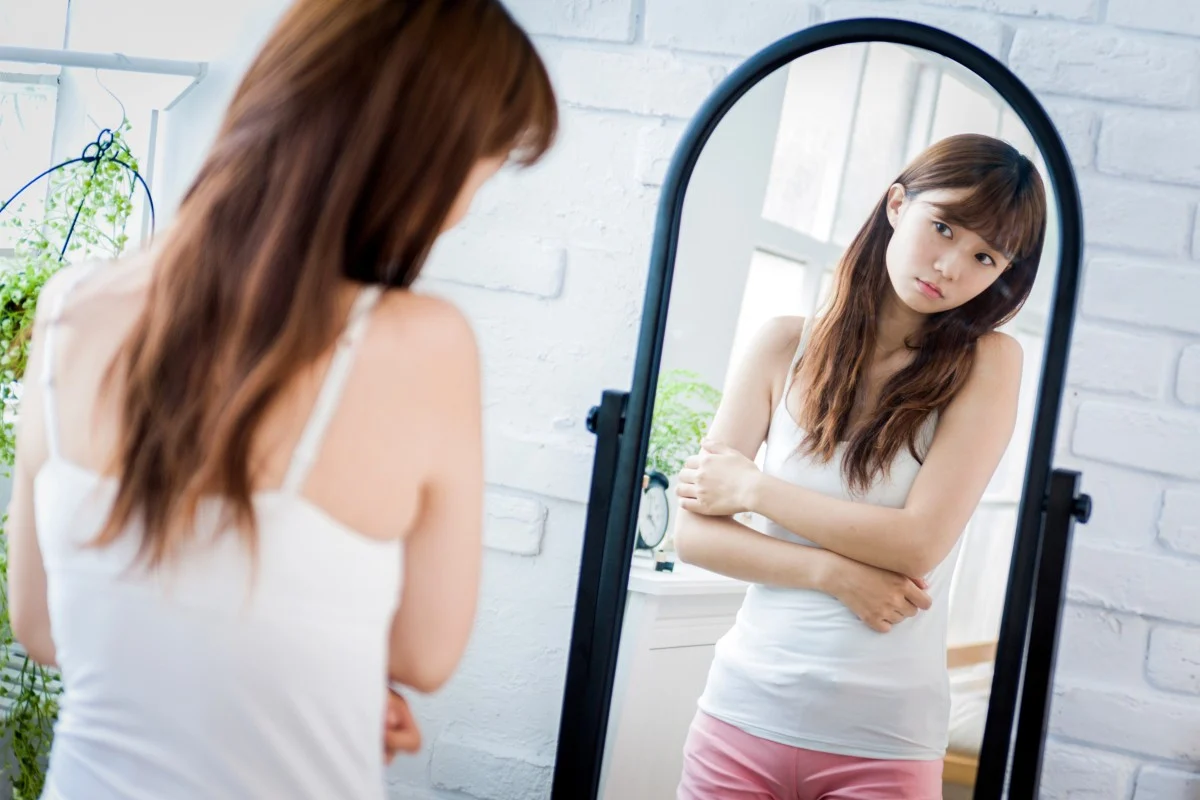
Το καλοκαίρι μπορεί να είναι μια δύσκολη περίοδος για τους εφήβους όσον αφορά την εικόνα του σώματος. Με τα μέσα κοινωνικής δικτύωσης γεμάτα με εικόνες «τέλειων» σωμάτων, σε συνδυασμό με την πίεση να φορούν μαγιό και καλοκαιρινά ρούχα, οι έφηβοι μπορούν εύκολα να πέφτουν θύματα της ντροπής και της ανασφάλειας. Ως γονείς, είναι σημαντικό να καλλιεργήσουμε μια θετική εικόνα σώματος στους εφήβους μας και να τους βοηθήσουμε να χτίσουν εμπιστοσύνη για τον εαυτό τους. Ακολουθούν μερικές αποτελεσματικές στρατηγικές για να υποστηρίξετε τη θετικότητα του σώματος του εφήβου σας αυτό το καλοκαίρι.
Κατανόηση της εικόνας του σώματος και του Body Shaming

Εικόνα σώματος: Η εικόνα σώματος αναφέρεται στο πώς αντιλαμβάνονται τα άτομα τη φυσική τους εμφάνιση και πώς αισθάνονται για το σώμα τους. Μια θετική εικόνα σώματος σημαίνει ότι κάποιος έχει μια ρεαλιστική και καλή άποψη για το σώμα του, ενώ μια αρνητική εικόνα σώματος μπορεί να οδηγήσει σε συναισθήματα δυσαρέσκειας και χαμηλής αυτοεκτίμησης.

Body Shaming: Το Body Shaming περιλαμβάνει την κριτική ή τον χλευασμό του σχήματος ή του μεγέθους του σώματος κάποιου. Μπορεί να συμβεί μέσω άμεσων σχολίων, μέσων κοινωνικής δικτύωσης ή ακόμη και μέσω εσωτερικευμένων κοινωνικών προτύπων. Η ντροπή του σώματος μπορεί να έχει σοβαρές επιπτώσεις στην ψυχική υγεία, οδηγώντας σε άγχος, κατάθλιψη και διατροφικές διαταραχές.

Συμβουλές για γονείς για την προώθηση της θετικής εικόνας του σώματος
Θετικό παράδειγμα

Αυτοαποδοχή: Δείξτε αυτοαποδοχή και θετική εικόνα σώματος στη ζωή σας. Αποφύγετε την αρνητική αυτοσυζήτηση για το σώμα ή την εμφάνισή σας μπροστά στον έφηβό σας.

Υγιής τρόπος ζωής: Προωθήστε έναν ισορροπημένο τρόπο ζωής που εστιάζει στην υγεία και την ευεξία και όχι στο βάρος ή την εμφάνιση.
Ενθαρρύνετε την κριτική σκέψη για τα μέσα ενημέρωσης

Αξιολογώντας τα μέσα επικοινωνίας: Μάθετε στον έφηβό σας να αξιολογεί κριτικά τα μηνύματα των μέσων ενημέρωσης και να αναγνωρίζει τα μη ρεαλιστικά πρότυπα που απεικονίζονται συχνά σε διαφημίσεις, ταινίες και μέσα κοινωνικής δικτύωσης.

Έλεγχος πραγματικότητας: Υπενθυμίστε στον έφηβό σας ότι πολλές εικόνες έχουν υποστεί επεξεργασία ή φιλτράρισμα και δεν αντιπροσωπεύουν πραγματικά σώματα.

Μιλήστε ανοιχτά για την εικόνα σώματος

Ασφαλής χώρος: Δημιουργήστε έναν ασφαλή και μη επικριτικό χώρο για τον έφηβό σας για να εκφράσει τις ανασφάλειες και τα συναισθήματά του για το σώμα του.

Θετική ενίσχυση: Επιβεβαιώστε τα συναισθήματά τους, αλλά εξουδετερώστε την αρνητική αυτοσυζήτηση με θετικές επιβεβαιώσεις για το σώμα και τις δυνατότητές τους.
Επικεντρωθείτε στην υγεία, όχι στο βάρος

Υγιεινές συνήθειες: Ενθαρρύνετε την υγιεινή διατροφή και τη σωματική δραστηριότητα για τη χαρά και τα οφέλη που προσφέρουν, όχι για τον έλεγχο του βάρους.

Αποφύγετε τη συζήτηση για τη δίαιτα: Αποφύγετε τις συζητήσεις σχετικά με τη δίαιτα ή την απώλεια βάρους και αντ’ αυτού τονίστε τη σημασία της διατροφής και της άσκησης για τη συνολική ευεξία.
Πρακτικές φιλοφρόνησης πέρα ​​από την εμφάνιση

Δεξιότητες και ταλέντα: Επαινέστε τον έφηβό σας για τις δεξιότητες, τα ταλέντα, την εξυπνάδα και την ευγένειά του. Ενισχύστε την ιδέα ότι η αξία τους δεν συνδέεται με την εμφάνισή τους.

Μη σωματικά χαρακτηριστικά: Επισημάνετε τα μη σωματικά τους χαρακτηριστικά, όπως το να είναι καλός φίλος, να έχουν αίσθηση του χιούμορ ή να δείχνουν ενσυναίσθηση.
Αντιμετωπίστε το Bullying και το Body Shaming

Συνειδητοποίηση του εκφοβισμού: Να είστε προσεκτικοί σχετικά με σημάδια εκφοβισμού ή σωματικής ντροπής, είτε στο σχολείο είτε στο διαδίκτυο, και αντιμετωπίστε το αμέσως.

Σύστημα υποστήριξης: Ενθαρρύνετε τον έφηβό σας να αναζητήσει υποστήριξη από φίλους, μέλη της οικογένειας ή έμπιστους ενήλικες, εάν βιώσει ντροπή σώματος.
Ενθαρρύνετε την ενσυνειδητότητα και την αυτοσυμπόνια

Πρακτικές Mindfulness: Εισαγάγετε πρακτικές ενσυνειδητότητας που μπορούν να βοηθήσουν τον έφηβό σας να παραμείνει προσγειωμένος και να εκτιμήσει το σώμα του για ό,τι μπορεί να κάνει, όχι μόνο για το πώς φαίνεται.

Αυτοσυμπόνια: Διδάξτε στον έφηβό σας να είναι συμπονετικός με τον εαυτό του και να συμπεριφέρεται στον εαυτό του με την ίδια ευγένεια που θα πρόσφεραν σε έναν φίλο.
Προωθήστε μια διαφορετική άποψη της ομορφιάς

Διαφορετικότητα στα ΜΜΕ: Εκθέστε τον έφηβό σας σε ποικίλες αναπαραστάσεις ομορφιάς και σωματότυπου. Ακολουθήστε λογαριασμούς μέσων κοινωνικής δικτύωσης και παρακολουθήστε περιεχόμενο που εξυμνεί τη διαφορετικότητα του σώματος.

Πολιτιστικές προοπτικές: Συζητήστε πώς οι διαφορετικοί πολιτισμοί έχουν διαφορετικά πρότυπα ομορφιάς και πώς αυτά μπορούν να αλλάξουν με την πάροδο του χρόνου.


Δραστηριότητες για την ενίσχυση της αυτοπεποίθησης του σώματος

Εργαστήρια Body Positive: Εγγράψτε τον έφηβό σας σε εργαστήρια ή καλοκαιρινές κατασκηνώσεις που εστιάζουν στην οικοδόμηση αυτοπεποίθησης και αυτοεκτίμησης.

Δημιουργική Έκφραση: Ενθαρρύνετε δραστηριότητες όπως ο χορός, η τέχνη ή η γραφή, που επιτρέπουν στον έφηβό σας να εκφραστεί και να εκτιμήσει τις ικανότητες και τη δημιουργικότητα του σώματός του.

Fitness for Fun: Προτείνετε δραστηριότητες όπως γιόγκα, κολύμπι ή πεζοπορία που προάγουν τη φυσική κατάσταση με διασκεδαστικό και περιεκτικό τρόπο, ενισχύοντας τη χαρά της κίνησης χωρίς στόχους που σχετίζονται με το βάρος.

Εθελοντισμός μαζί: Συμμετέχετε σε εθελοντικές δραστηριότητες που επικεντρώνονται στη βοήθεια άλλων. Αυτό μπορεί να μετατοπίσει την εστίαση μακριά από τη φυσική εμφάνιση στον θετικό αντίκτυπο που μπορούν να έχουν στην κοινότητά τους.
Θέματα συζήτησης για γονείς και εφήβους

Επιρροή μέσων: Μιλήστε για το πώς τα μέσα επηρεάζουν τις αντιλήψεις για την ομορφιά και συζητήστε τρόπους για να αναπτύξετε ένα πιο κριτικό μάτι.

Προσωπικές εμπειρίες: Μοιραστείτε τις δικές σας εμπειρίες σχετικά με την εικόνα του σώματος και τον τρόπο με τον οποίο αντιμετωπίσατε αυτές τις προκλήσεις.

Υγιή πρότυπα προς μίμηση: Προσδιορίστε και συζητήστε τα υγιή πρότυπα που παρουσιάζουν θετική εικόνα σώματος και αποδοχή του εαυτού τους.

Λειτουργίες του σώματος: Συζητήστε τα εκπληκτικά πράγματα που μπορεί να κάνει το σώμα τους, δίνοντας έμφαση στη λειτουργία αντί της μορφής. Γιορτάστε επιτεύγματα όπως το τρέξιμο, ο χορός ή απλώς το να είσαι υγιής.
Να θυμάστε

Η πλοήγηση στο περίπλοκο έδαφος της εικόνας του σώματος μπορεί να είναι δύσκολη για τους εφήβους, ειδικά τους καλοκαιρινούς μήνες. Ως γονείς, διαδραματίζουμε καθοριστικό ρόλο στην καλλιέργεια μιας θετικής εικόνας σώματος και στην οικοδόμηση αυτοπεποίθησης στα παιδιά μας. Διαμορφώνοντας τη θετικότητα του σώματος, ενθαρρύνοντας την κριτική σκέψη, εστιάζοντας στην υγεία και παρέχοντας έναν υποστηρικτικό χώρο για ανοιχτές συνομιλίες, μπορούμε να βοηθήσουμε τους εφήβους μας να αναπτύξουν μια υγιή και στοργική σχέση με το σώμα τους. Ας κάνουμε αυτό το καλοκαίρι μια εποχή ανάπτυξης, αυτοπεποίθησης και αυτοαποδοχής για τους εφήβους μας.


ΠΗΓΗ:

Trans and GRA


https://megjohnandjustin.com/gender/trans-and-gra/

This week we spent the podcast talking about trans and the Gender Recognition Act (GRA) given that this is in the news so much at the moment.


We talked about the current moral panic about trans which is playing out in popular culture and the mainstream media, and the devastating impact that has on young trans and gender diverse people particularly.

We covered the most recent event in this long running panic: the trans exclusionary radical feminists who disrupted the London Pride march, and why trans rights are a vital part of feminism, not in opposition to it.

We explained that much of the current frenzy has been whipped up by media and others in response to the government consultation on the Gender Recognition Act. We overviewed what this Act does – and doesn’t do. While there is fearmongering around who has access to safe spaces and toilets, and how young gender diverse people will be treated, the act really only deals with the process that a person has to go through to have their identity legally recognised, and whether non-binary people will be included in that process as well as men and women.

Please check out the Stonewall and Gendered Intelligence information, and then complete the consultation. It’s easy to take part as each page has drop-down menus to explain what is being asked of you.

SOURCE:

Tuesday, 9 July 2024

The Tavistock Institute of Human Relations in China


Extending Tavistock values, philosophy and practice into new environments.
InternationalGroup relations


Dr. Mannie Sher


The Tavistock Institute has mainly researched and consulted in the West and parts of the East like India. An invitation to work in China provided an opportunity to examine the transferability of ways of working that are strongly Anglo-Saxon in orientation, language and concept. How well would Tavistock approaches translate in an environment with a 2,500-year history of Confucian and Taoist philosophies? Confucianism emphasises personal and governmental morality, correctness of social relationships, justice and sincerity that is the basis of Chinese tradition and belief, with strong family loyalty, ancestor veneration and respect of elders. Taoist philosophy emphasises living in harmony with the Tao, literally the ‘Way’ of personal improvement through effortless action, naturalness, simplicity, spontaneity; compassion, frugality and humility, keeping human behaviour in accordance with the alternating cycles of nature. Taoism differs from Confucianism by offering spiritual explanations and does not emphasise rigid rituals and social order.

The cultural and spiritual atmosphere in China is one of knowing one’s place, acceptance of rewards and sanctions of life that are instilled from birth through the family, education, religion and state policy. Within these constraints, the personality is formed and the nature of human social relations and individual life’s ambitions are bound together. The result is social conformity that is meant for the greater good, on the one hand, and a tension for the search for personal contentment through developing individual insights and free expression of feelings, on the other.

How then does Tavistock Institute values, philosophy and practice resonate with Chinese traditional behaviour and culture? The invitation to work in China was said to link with the President of China’s dissatisfaction with educational systems that emphasise control and ‘correct answers’ and do not encourage enquiry, questioning and independent thought. Generally, independence of thought does not fit well with tradition, but as China grows in strength and influence in the world, it recognises the need for independent thinkers to challenge but not undermine social and political norms. In other words, to use Tavistock language, how will the Chinese in groups and teams maintain their individual sense of themselves, think independently and fearlessly with personal authority and still remain faithful to the task of the groups of which they are members? Tavistock group relations methods help to examine the inherent tensions between individual desire and responsible group membership.

These tensions are examined usually in small bounded groups that are familiar to most people in China (comparable to the family) and in large social political groups which, in China, are the preserve of few people. New tensions are appearing because of increased individuality in a money-oriented consumerist society that loosens ties to tradition and increases anomie and social dislocation.

During the past year, teams from the Tavistock Institute have worked on teaching and training programmes in China. The programmes are conducted in English with simultaneous translation. This presents immediate obstacles, for no matter how accurate the translation is, communications still have to pass through to another language before they can be understood and then responded to. Another challenge is language construction and tone of voice which are the basis of establishing power, dominance and control between speaker and spoken to. In China these controlling elements in speech are pronounced; subtlety and irony less so, which in China, can lead to insult and humiliation. Making your audience lose face does little to improve its learning.

Our experience of working in China is about confronting an impatience for learning, often expressed as wanting to get things right and to be perfect immediately – wanting to bridge the gap between not knowing and knowing without struggling with the slower assimilation of ideas. Tavistock team members often feel pulled into giving more, before what has already been given is digested. Our programme of studying group dynamics combines traditional teaching methods like lectures, with experiential group work like social dreaming, small and inter-group events that enable ‘living’ and ‘seeing’ the dynamic hidden forces at play. This learning process is cannot be hurried; it is sometimes painful and always only partial. It produces substantial frustration for the programme participants.

The situation in China is one of choosing between ‘catch up’ or development. The timescales for each are different and there is a desperate sense that time is short. The uniqueness of China and the Chinese people themselves makes it difficult to find one’s bearings in China coming from the free world where the trend is to re-engage with ancient values, like so many people do with yoga or acupuncture or use Chinese herbs for healing. The Chinese people seem intent on pursuing money and appear to be losing touch with ancient values. The pace of change in China is ferocious, gratification must be immediate and the new must displace the old. It is almost as though the Chinese are going in opposite directions to where we are going, and as we cross each other, it often feels like a clash of cultures. In our experience, the concept of boundaries is hard for Chinese people to grasp both conceptually and experientially and that provides us with a constant challenge of what it means to work with a fundamentally different concept to that which we are used to and are informed by. Ancient traditions help us learn to be patient and this is a constant every-day lesson.

The Tavistock Institute was invited to bring its well-established ideas to China; one result is that the Tavistock Institute is emerging from its China experience enriched by the magnificence, beauty and continuity of Chinese culture from which paradoxically many Chinese seem to be turning away.

Dr Mannie Sher, PhD
Principal Researcher & Consultant

SOURCE:

Monday, 8 July 2024

Πώς η οικογένεια μπορεί να επηρεάσει την ευφυΐα των μελών της και κυρίως των παιδιών

07 ΙΟΥΛΙΟΥ, 2024

×


Ο δρ Τζέιμς Φλυν, είναι ομότιμος καθηγητής Ψυχολογίας στο Πανεπιστήμιο του Οτάγκο, στη Νέα Ζηλανδία, και διευθυντής του Κέντρου Ψυχομετρίας του Πανεπιστημίου Κέιμπριτζ, στη Βρετανία.


Σύμφωνα με τη θεωρία του, η ευφυΐα δεν διαμορφώνεται έως την ηλικία των 18 ετών αλλά αναπτύσσεται καθ’ όλη τη διάρκεια της ενήλικης ζωής, αρκεί να συναναστρέφεται κανείς με άτομα που διεγείρουν τον εγκέφαλό του και να ακολουθεί ένα νοητικώς απαιτητικό τρόπο ζωής στο σπίτι και στην εργασία.

Ο Δρ Φλυν υποστηρίζει ότι οι οικογένειες των οποίων τα μέλη μιλούν, γελούν, μοιράζονται πολιτιστικά δρώμενα και ασχολούνται με απαιτητικές για το μυαλό δραστηριότητες, παρουσιάζουν αύξηση του δείκτη νοημοσύνης τους κατά αρκετές μονάδες.

Ωστόσο ισχύει και το αντίστροφο: αν κάποιος μοιράζεται το σπίτι ή το χώρο εργασίας του με άτομα μειωμένης ευφυΐας, κινδυνεύει να δει και το δικό του IQ να φθίνει, εξαιτίας της έλλειψης επαρκούς διέγερσης του μυαλού.

«Η ευφυΐα πάντοτε εθεωρείτο στατική αλλά σύγχρονα ευρήματα υποδηλώνουν ότι αυτό είναι λάθος», δήλωσε ο δρ Φλυν στην εφημερίδα «Sunday Times» με αφορμή την κυκλοφορία του νέου του βιβλίου «Does Your Family Make You Smarter».


«Ο εγκέφαλος μοιάζει με έναν μυ: όσο περισσότερο τον χρησιμοποιούμε, τόσο πιο δυνατός γίνεται. Αυτό σημαίνει πως μπορούμε να αυξάνουμε την ευφυΐα μας καθ’ όλη τη διάρκεια της ζωής».

Ο δρ Φλυν πιστεύει ότι ο καλύτερος τρόπος για να επιτευχθεί αυτό είναι να παντρευτούμε έναν άνθρωπο ευφυέστερο από εμάς, να βρούμε μία νοητικώς απαιτητική εργασία και να κάνουμε παρέα με ευφυείς ανθρώπους. «Κάθε ένα από αυτά τα τρία μπορεί να αυξήσει και τη δική μας ευφυΐα», λέει.

Ο δρ Φλυν είναι παγκοσμίως γνωστός ως ο επιστήμονας που ανακάλυψε ότι η ευφυΐα των πληθυσμών στις ανεπτυγμένες χώρες αυξάνεται από το 1930 έως σήμερα κατά περίπου 3 βαθμούς κάθε δεκαετία.

Οι αιτίες του «φαινομένου Φλυν», όπως ονομάστηκε προς τιμήν του η αύξηση του IQ των λαών, δεν είναι γνωστές. Πιστεύεται όμως ότι σχετίζεται με συνδυασμό παραγόντων, όπως η καλύτερη διατροφή και μόρφωση, και η ζωή σε έναν ολοένα πιο πολύπλοκο κόσμο.

Ωστόσο η επιστημονική κοινότητα χρειάσθηκε πολλά χρόνια για να δεχθεί την ορθότητα του φαινομένου Φλυν, και η νέα θεωρία του για την αύξηση ή την μείωση του IQ αναλόγως με την ευφυΐα των άλλων μπορεί να αντιμετωπίσει ανάλογο σκεπτικισμό.

Και αυτό διότι η κρατούσα άποψη είναι ότι η ευφυΐα ελέγχεται από γονίδια, τα οποία επηρεάζουν περιβαλλοντικοί παράγοντες όπως η διατροφή και η μόρφωση έως την ηλικία των 18 ετών. Στη συνέχεια, ο δείκτης νοημοσύνης σταθεροποιείται.

Ο δρ Φλυν αντικρούει αυτή την άποψη, συγκρίνοντας τα ευρήματα των τεστ ευφυΐας στα οποία έχουν υποβληθεί τα τελευταία 65 χρόνια άνθρωποι από πολλές ανεπτυγμένες χώρες του κόσμου με την ηλικία τους.

Στο βιβλίο του περιγράφει τους «Ηλικιακούς Πίνακες Ευφυΐας» που δημιούργησε με βάση αυτά τα στοιχεία και αναφέρει ότι από αυτούς μπορούν να εξαχθούν δύο βασικά συμπεράσματα.

Το πρώτο είναι ότι η «νοητική ποιότητα» μιας οικογένειας μπορεί να επηρεάσει άλλοτε θετικά και άλλοτε αρνητικά τον δείκτη νοημοσύνης όλων των μελών της, αλλά κυρίως των παιδιών.

Και το δεύτερο ότι παρότι τα γονίδια και η ανατροφή έως την ηλικία των 18 ετών, καθορίζουν κατά 80% την ευφυΐα μας, το υπόλοιπο 20% εξαρτάται από τον τρόπο ζωής μας στην ενήλικη ζωή.


ΠΗΓΗ:

Mixed emotions may not be mixed after all


Recent work finds mixed emotions have distinct neural signatures.

04 July 2024

By Emma Barratt


As their name would imply, we tend to think of mixed emotions as a blend of different, often contrasting, emotions — but new research suggests that may not be the case.

In their recent paper in Cerebral Cortex, Anthony Vaccaro and team gathered fMRI data from 27 participants as they watched a short film called One Small Step.

Spoilers ahead: the film follows the journey of a young girl as she pursues her childhood dreams of becoming an astronaut, alongside her shoe-making father who supports her along the way. As she grows, she enters university for astrophysics and struggles with her studies, ultimately getting rejected from the astronaut selection program.

Throughout all this, though, her father is ready and waiting with dinner at the ready. One day, she returns and he is no longer there. She's later depicted crying at his grave. While sorting through his belongings, she finds astronaut boots he made for her as a child. This rekindles her motivation, and in the end her efforts are rewarded and she makes it into the astronaut corps. The final scenes of her reaching the moon are interspersed with scenes of her as a child, wearing astronaut boots and playing with her father on her bed.

It's easy to see why this clip was selected to evoke bittersweet feelings. After completing their first watch of the film in the scanner, the participants watched it one more time outside of the scanner, while reporting the valence of emotion that different parts of the film had stirred, as well as times they had cried. The team then compared these two data sets to see what brain activity was occurring alongside positive, negative, and mixed emotions.

What they observed was that at points participants were experiencing mixed emotions, neural activity suggested they weren't just rapidly shifting between positive and negative affective states. Mixed feelings were associated with specific patterns of activity in the amygdala and nucleus accumbens, which differed from patterns seen during exclusively positive and negative emotions. According to the authors, this finding suggests that mixed emotions are a separate emotional experience, rather than being a true 'mix' of two or more feelings.

As if that wasn't cool enough, their analyses also showed that state changes in several areas (specifically the insular cortex, anterior cingulate, amygdala, and nucleus accumbens) allowed them to predict moments when participants would switch between new emotional states.

This work remains to be replicated, but if the conclusions prove to be accurate, the finding that mixed feelings are in fact their own entity could introduce interesting new dynamics to research on emotions.

Read the paper in full:

Vaccaro, A. G., Wu, H., Iyer, R., Shruti Shakthivel, Christie, N. C., Damasio, A., & Kaplan, J. (2024). Neural patterns associated with mixed valence feelings differ in consistency and predictability throughout the brain. Cerebral Cortex, 34(4). https://doi.org/10.1093/cercor/bhae122


SOURCE: