Tuesday, 8 May 2018

Πώς θα σταματήσει το παιδί να κοιμάται στο κρεβάτι των γονιών

|


Πολλοί νέοι γονείς επιλέγουν να φέρουν το μωρό τους στο κρεβάτι μαζί τους αφού γεννηθεί. Ενώ υπάρχουν και υποστηρικτές και αντίπαλοι αυτής της συνήθειας, κάθε οικογένεια παίρνει αυτή την απόφαση για την ίδια. Το σημαντικό είναι να μπορείτε να κάνετε το μικρό παιδί σας να κοιμηθεί στο κρεβάτι του μετά από τον ύπνο μαζί σας. Οι παρακάτω ιδέες μπορεί να κάνουν τη μετάβαση λίγο πιο ομαλή.

Μιλήστε με το σύντροφό σας

Είναι έτοιμος να μετακινήσει το μικρό σας στο κρεβάτι του ήδη ή θέλει να αφήσει τα πράγματα όπως είναι προς το παρόν; Σε πολλές περιπτώσεις όπου ένα μικρό παιδί ακόμα κοιμάται μαζί σας, ο σύντροφός σας μπορεί να αισθάνεται ότι έχει παραμεληθεί. Θέλει να έχει την προσοχή σας και πολλά άλλα, αντί να σας μοιράζεται. Παρόλο που μπορεί να είναι δύσκολο για όλους τους εμπλεκόμενους, ο στόχος είναι το παιδί σας να μπορεί να κοιμάται στο κρεβάτι του αντί να παραμείνει στο δικό σας.

Μιλήστε με το παιδί σας


Αυτό θα πρέπει να ξεκινήσει περίπου μια εβδομάδα πριν από την πραγματική κίνηση. Μιλήστε για το πόσο μεγαλώνει και πώς σύντομα θα είναι ένα «μεγάλο παιδί» μόλις κοιμηθεί στο δικό του κρεβάτι και στο δικό του δωμάτιο. Παρουσιάστε το ως περιπέτεια και ως κάτι για το οποίο θα έπρεπε να ανυπομονεί αντί να φοβάται.


Κάντε εξάσκηση

Ξεκινήστε να παίρνετε μικρούς ύπνους στο κρεβάτι του. Έτσι, θα αρχίσει να συνηθίζει σε αυτό. Εάν δεν έχετε πάρει ακόμα ένα κρεβάτι, ζητήστε τη βοήθεια του παιδιού σας για να διαλέξετε ένα. Μπορεί να θέλετε να επιλέξετε ένα κρεβάτι διπλού μεγέθους αντί για ένα παιδικό κρεβάτι, αφού έχει ήδη συνηθίσει τον ύπνο σε μεγαλύτερο κρεβάτι.

Αφήστε το να επιλέξει τα σεντόνια του

Το παιδί σας έχει έναν αγαπημένο χαρακτήρα καρτούν; Πιθανότατα θα μπορείτε να διαλέξετε κλινοσκεπάσματα με αυτόν τον χαρακτήρα πάνω. Εάν είναι ενθουσιασμένο για το σεντόνια του, θα υπάρχει λιγότερη αντίσταση στη μετακίνηση στο δικό του κρεβάτι.

Ακολουθήστε την ίδια τακτική ρουτίνας

Το μπάνιο, το βούρτσισμα των δοντιών, η αλλαγή σε πυτζάμες και η αφήγηση μιας ιστορίας θα επιτρέψουν στο παιδί σας να γνωρίζει ότι η ώρα για ύπνο πλησιάζει. Πηγαίνετε στο κρεβάτι του παιδιού σας και χαλαρώστε μαζί του ενώ διαβάζετε μια ιστορία για ύπνο. Καθώς αρχίζει να νυστάζει, θα είναι ήδη στο κρεβάτι του, έτοιμο να κοιμηθεί.

Μείνετε μαζί του μέχρι να κοιμηθεί

Αυτό είναι πολύ πιο εύκολο να γίνει αν το κρεβάτι του είναι διπλό. Βγείτε έξω από το δωμάτιο αφού κοιμηθεί. Αν βγει από το κρεβάτι του και ανέβει στο δικό σας κατά τη διάρκεια της νύχτας, δοκιμάστε ξανά την επόμενη νύχτα.

Ακολουθήστε ένα σταδιακό πρόγραμμα. Αρχικά, ξαπλώνετε μαζί του στο κρεβάτι του. Έπειτα, καθίστε στο κρεβάτι του. Στη συνέχεια, καθίστε σε μια καρέκλα δίπλα του και τέλος, αφήστε το να κοιμάται μόνο του. Να είστε έτοιμοι για περιστασιακές επισκέψεις από το μικρό σας, αλλά σύντομα θα κοιμάται σταθερά στο κρεβάτι του. Μπορεί να χρειαστεί χρόνος, αλλά μπορείτε να βάλετε το μικρό παιδί σας για ύπνο στο κρεβάτι του, αφού πρώτα έχει συνηθίσει να κοιμάται μαζί σας.

ΠΗΓΗ:

Monday, 7 May 2018

The Personality Type Most Likely To Steal Your Partner


People already in relationships are generally seen as more attractive.


Narcissists are more likely to steal another person’s partner, research finds.

They don’t care whether a potential partner is single or not.


Dr Amy Brunell, the study’s first author, said:


“They seem to not discriminate between those in relationships and those who are single.

It could be that they just go after whoever appeals to them without regard for relationship status.”

Narcissists are typically arrogant, selfish, extroverted and have an inflated sense of their own importance.

They also believe their they are special.

They experience less guilt and so have fewer qualms about taking advantage of others.

In a survey of 247 college students, narcissists were more likely to report sexual relationships with people already in other relationships.

A second similar study found that only narcissistic women were more likely to mate poach.

Two other studies suggested narcissists were not preferentially interested in people in relationships.

Dr Brunell said:


“It is likely people are simply interested in the target and not necessarily as concerned that the target is in a relationship.”

Dr Brunell concluded:


“Understanding the behavior of narcissists is important because it helps us better understand the people who are in our lives — and the types of people we don’t necessarily want in our lives.”

SOURCE:


Taking a mere five-day break from Facebook will lower your physiological stress levels, researchers claim


Does the prospect of taking a “Facebook holiday” fill you with dread as you picture a life of social isolation, or does it sound like an appealing and refreshing chance to change priorities?

A new paper in the Journal of Social Psychology has investigated the psychological effects of taking time off from using Facebook. Given that Facebook helps keep us connected but can also expose us to many social stressors, like envy and gossip, the researchers, led by Eric Vanman at the University of Queensland, expected to find a Facebook break would be associated with a drop in life-satisfaction, but also a reduction in stress levels. Their findings are largely in line with their predictions “[and] consistent with the general ambivalent feelings that may typify most active users about Facebook”. However, the study also features ambiguities and limitations that may leave sceptical readers unconvinced.


Vanman and his colleagues invited 138 active Facebook users (they averaged 2.8 hours daily use) to the psych lab where they provided a saliva cortisol sample and completed psychological questionnaires tapping their Facebook use, life-satisfaction, stress, mood and loneliness. This initial data showed that more active Facebook users reported higher life-satisfaction and less loneliness.

Critically, half of the participants learned at this time that they would be required to take a five-day hiatus from Facebook (they knew from the study advert that this might be a possibility). All the participants then wrote about what they thought the ensuing days would be like and they gave another saliva sample. Finally, all participants returned to the lab five days later, to repeat the questionnaires, report their social movements during the intervening Sunday, and provide one further saliva cortisol sample.

Nearly all the participants in the Facebook-hiatus condition wrote that they expected it to be a pretty miserable time. “I will probably feel … upset as my social life will be totally stopped if I cannot used Facebook and cannot find my friends in Facebook, I will also feel like left behind as I will not be able to know what has happened with my Facebook friends in the coming five days,” wrote one participant.

The results matched these expectations in that the No-Facebook group reported lower life satisfaction at the end of the study than those in the Facebook-as-normal condition (the average life satisfaction for the Facebook-as-normal group had increased during the study whereas the No-Facebook group’s had not). There were no group differences in mood through the study.

The No-Facebook group experienced this hit to their life-satisfaction despite the fact they reported an average of more than two hours extra face-to-face socialising on the Sunday during the study period compared to the Facebook-as-normal group.

However, on the positive side, the No-Facebook group showed a reduction in their cortisol levels over the course of the study. Cortisol is often described as a stress hormone and it may provide a physiological marker of stress levels. However, cortisol fluctuates a lot and it’s difficult to interpret the meaning of this change, especially based on so few measures. Indeed, the No-Facebook group didn’t actually report a decrease in their stress levels on the questionnaires (and cortisol levels within the group didn’t correlate with self-reported stress levels). It’s worth noting too that across all participants, cortisol levels at baseline were not associated with any of the study’s other measures, such as intensity of Facebook use.

The researchers said that their study is “the first to demonstrate the effects of Facebook use on a physiological measure associated with health outcomes” and they interpreted their results as showing that “taking short breaks from Facebook could be beneficial to one’s health, as any prolonged stress could contribute to mental and physical disorders.”

Such a conclusion may be premature, or at least overly specific. Other than the diary reports of the Sunday, we do not know if or how the participants in the No-Facebook group supplemented their usual time on Facebook with different activities, whether online or offline. Might the cortisol reduction have been linked to less time on the internet, and more time going for walks or chatting face-to-face, for instance, rather than taking a break from Facebook specifically? And just how meaningful is the cortisol result when the participants didn’t report feeling any less stressed, and considering that the cortisol levels for both groups were in the “normal range” at the start of the study?

It is difficult to interpret the hit to life satisfaction too. As the researchers acknowledged, there is a big difference between choosing to take a break from Facebook and having one partly imposed, as was the situation in the current study.

Despite these ambiguities the results certainly provide food for thought and will surely inspire more research on the psychological effects of taking breaks from Facebook and other online social networks. In the wake of the Cambridge Analytica scandal and the ensuing “delete Facebook” campaign, it would be particularly interesting to find out the psychological effects of a permanent break from Facebook rather than a mere five-day holiday.

SOURCE:

Friday, 4 May 2018

Η σωματική δραστηριότητα αποτρέπει την κατάθλιψη


Η σωματική δραστηριότητα μπορεί να προστατεύσει τον άνθρωπο από την εκδήλωση της κατάθλιψης, υποστηρίζει πολυεθνική ομάδα ειδικών που δημοσίευσε μια νέα ανασκόπηση, στο επιστημονικό έντυπο American Journal of Psychiatry.

Οι ερευνητές από τη Βραζιλία, το Βέλγιο, την Αυστραλία, τις ΗΠΑ, το Ηνωμένο Βασίλειο και τη Σουηδία εξέτασαν στοιχεία από μελέτες που είχαν γίνει σε άτομα χωρίς ψυχικές παθήσεις, συσχετίζοντας τα επίπεδα σωματικής δραστηριότητας με την εμφάνιση κατάθλιψης.

Στο δείγμα είχαν ενταχθεί συνολικά 266.939 άτομα, με το 47% να είναι άνδρες. Οι εθελοντές είχαν τεθεί υπό ιατρική παρακολούθηση κατά μέσο όρο 7,4 χρόνια.


Από την ανάλυση των στοιχείων προέκυψε ότι τα άτομα με χαμηλά επίπεδα σωματικής άσκησης είχαν υψηλότερο κίνδυνο εκδήλωσης κατάθλιψης, συγκριτικά με εκείνους που είχαν υψηλά επίπεδα δραστηριότητας.

Επιπλέον, η σωματική δραστηριότητα είχε προστατευτική επίδραση έναντι της εμφάνισης κατάθλιψης σε νεαρά, ενήλικα και ηλικιωμένα άτομα σε όλες τις γεωγραφικές περιοχές (Ευρώπη, Βόρεια Αμερική και Ωκεανία).

Όπως σχολιάζει ο καθηγητής Φελιπε Μπαρέττο Σους από το Πανεπιστήμιο La Salle της Βραζιλίας «πρόκειται για την πρώτη παγκόσμια μετα-ανάλυση που εδραιώνει την επωφελή δράση της φυσικής δραστηριότητας στον γενικό πληθυσμό έναντι της κατάθλιψης. Τα στοιχεία είναι ξεκάθαρα, λοιπόν, όσο πιο δραστήριος είναι κάποιος τόσο πιο καλά προστατευμένος είναι από την κατάθλιψη. Ανεξαρτήτως ηλικίας, ή τόπου κατοικίας, η άσκηση μειώνει τον μελλοντικό κίνδυνο κατάθλιψης».

ΠΗΓΗ:


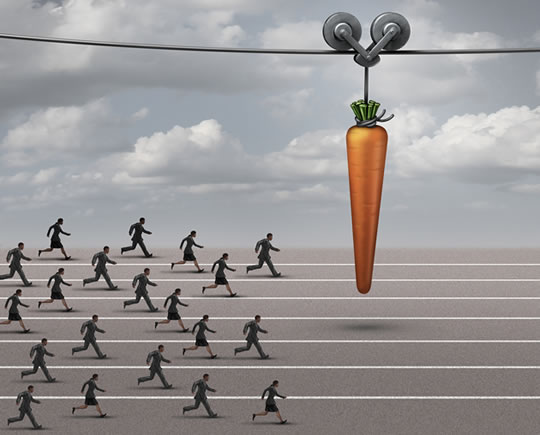
Motivation Increased 35% By One Simple Goal-Setting Instruction, Study Finds


Men and women respond differently to setting goals, fascinating study finds.


Goal-setting is one of the tasks in my motivation ebook: “Spark: 17 Steps That Will Boost Your Motivation For Anything”

Goals are frequently found to boost people’s motivation, and so their performance.


A recent study, however, reveals a fascinating kink in that oft-quoted research.

Men, it seems, respond to goals better than women, the study found.

While goal-setting may work less well for women in some circumstances, it is still effective to some extent for both sexes.

Mr Samuel Smithers, the author of the research, said:


“The focus of this research was to determine how to motivate people.

When we are given a goal, we feel a sense of purpose to achieve it; it naturally helps to focus us.

The findings demonstrate that setting a goal induces higher effort.

For the study people had to do a simple addition task.


They were challenged to achieve 10 correct answers in one group and 15 correct answers in another group.

Both were compared with a control group who were given no goal.

The results showed that goal-setting had similar effects to monetary incentives.

People with goals focused more and increased their speed to complete the task.

Mr Smithers said:


“My research found that women perform better than men in the no goal setting, but men thrive in both of the goal treatments, suggesting that men are more responsive to goals than women.

I also found a 20 per cent and 35 per cent increase in correct number of additions for the medium and challenging goal groups over the control group.

This is an incredible increase in output without the need for extra monetary incentives.

The increase was due to an increase in both the speed and accuracy of the participants in the goal groups.”

SOURCE: